Home/Symptoms
edit_squareKeratoconus Help Resource

Keratoconus Symptoms: Early Signs, Vision Changes and When to Seek Help

Keratoconus symptoms can start subtly. Blurry vision, ghosting, glare, halos, and frequent prescription changes are common warning signs. This page explains what to watch for and when to seek professional guidance.

verified_user
Helpful education. Real treatment guidance.Beverly Hills and Westlake Village specialist support.
Dr. Rajesh Khanna, MD keratoconus specialist
person
Dr. Rajesh Khanna, MDKeratoconus Specialist
visibility

Blurry Vision

join_inner

Ghosting /
Double Vision

radio_button_checked

Halos & Glare

directions_car

Night Driving
Problems

eyeglasses

Frequent Prescription
Changes

lens

Contact Lens
Discomfort

What do keratoconus symptoms feel like?

Keratoconus affects the cornea, the clear front surface of the eye. As the cornea becomes thinner and more cone-shaped, light does not focus properly. This can cause blurry or distorted vision that glasses or contacts may not fully correct. Symptoms often start mild and change over time.

visibility

Common symptoms to watch for

  • Blurry or distorted vision
  • Ghosting / double vision
  • Halos and glare around lights
  • Trouble driving at night
  • Increasing astigmatism
  • Frequent changes in glasses or contact lens prescription
  • Eye strain
  • Contact lens discomfort

When symptoms may mean you need an eye evaluation

  • Worsening blur
  • Trouble with night driving
  • One eye worse than the other
  • Rapid prescription changes
  • Family history of keratoconus
visibility

Symptoms vs normal vision changes

Typical vision changes

  • Mild blur that improves with glasses
  • Stable prescription over time
  • No halos or glare
  • No double vision
  • Comfortable contact lens wear
check_circle

Possible keratoconus signs

  • !Blur that worsens or fluctuates
  • !Increasing astigmatism
  • !Halos, glare, and starbursts
  • !Double or ghosted images
  • !Changing glasses or contact lens prescription frequently
warning
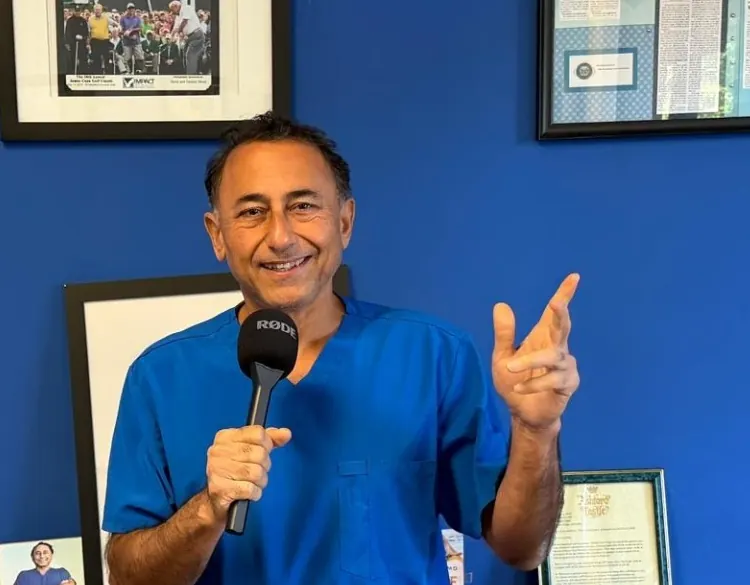
Dr. Rajesh Khanna giving keratoconus guidance

Guidance From Dr. Rajesh Khanna, MD

If symptoms are affecting daily life, the next step is not guessing. A corneal evaluation, topography, and a review of your scans can help clarify whether keratoconus may be present and what options make sense.

visibility

What happens next?

assignment_turned_in
Step 1

Review symptoms

Share your symptoms and vision history.

cloud_upload
Step 2

Upload scans or reports

Securely upload scans or share your reports.

medical_services
Step 3

Get guidance on possible next steps

Receive expert guidance and personalized recommendations.

Frequently Asked Questions

What are the first symptoms of keratoconus?

The first symptoms of keratoconus can be subtle. Many people notice blurry vision, distorted vision, ghosting, halos, glare, eye strain, trouble driving at night, or frequent prescription changes. If one eye feels worse than the other or glasses are not giving clear vision, a corneal evaluation may help.

Can keratoconus start in one eye?

Yes. Keratoconus can feel worse in one eye at first, even though both eyes may need to be checked. One eye may show more blur, ghosting, glare, or prescription change. A scan such as corneal topography can help show whether the cornea has early shape changes.

Do symptoms get worse over time?

Keratoconus symptoms may get worse over time if the cornea continues to thin or change shape. Vision may become more distorted, night driving may become harder, and glasses may stop helping as much. Early evaluation is important because treatment options may help slow progression.

Can glasses fix keratoconus symptoms?

Glasses may help in mild or early keratoconus, especially when vision changes are small. If the cornea becomes more irregular, glasses may not fully correct ghosting, glare, or distortion. In those cases, specialty contact lenses or other keratoconus treatments may be discussed.

When should I see a keratoconus specialist?

You should consider seeing a keratoconus specialist if your vision is changing quickly, one eye is worse, night driving is difficult, you see halos or ghost images, or your glasses prescription keeps changing. A specialist can review your symptoms, scans, corneal shape, and possible next steps.
Do not ignore changing vision.

Start with your symptoms, upload your scans, or ask for guidance.

location_on

Beverly Hills

9100 Wilshire Blvd #265e, Beverly Hills, CA 90212, United States

+1 310-482-1240
location_on

Westlake Village

31824 Village Center Rd F, Westlake Village, CA 91361, United States

+1 805-230-2126